Your Guide to Earning a Bachelors Degree Overseas
Navigating the journey toward earning a college degree overseas demands thorough evaluation of numerous aspects. Students must evaluate universities and destinations based on educational quality, funding options, and cultural compatibility. Gaining clarity on visa regulations is essential for a smooth changeover. However, the journey goes beyond logistics. Adjusting to unfamiliar surroundings and staying connected with loved ones are fundamental in defining the overall journey. What challenges and opportunities await students on this path?
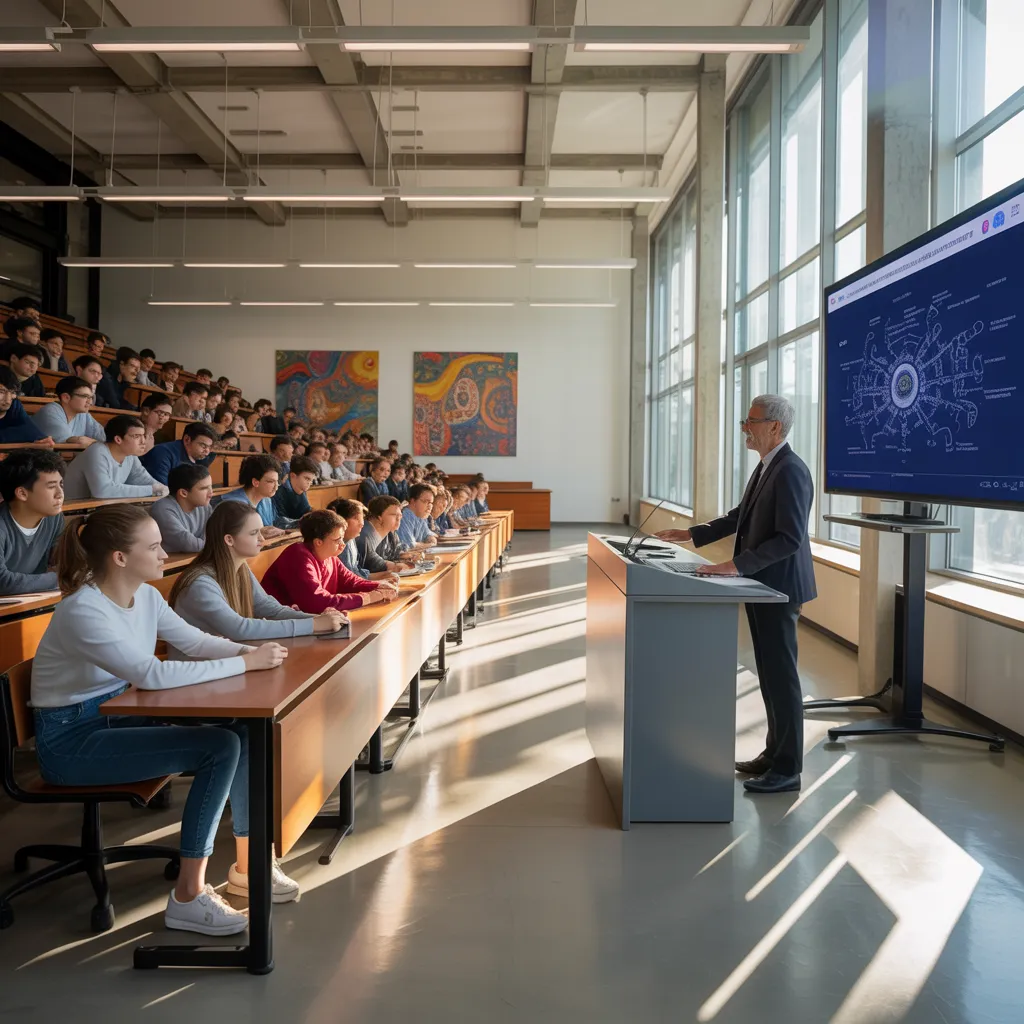
What Factors Should You Consider When Choosing a Country?
When choosing a destination for a bachelor's program abroad, what key factors should one consider? First, the quality of education is the highest priority; prospective students should research university rankings, faculty qualifications, and the curriculum's relevance to their chosen discipline. Second, language plays an important role; students need to assess whether they are comfortable studying in the native language or if courses offered in English are accessible.
Cultural compatibility is another important consideration; understanding the society, customs, and lifestyle can greatly influence the overall experience. Additionally, safety and political stability are essential considerations; students should explore the country's reputation for safety and the current political climate. Lastly, closeness to home and available travel options can influence personal preferences and general satisfaction. Through thoughtful evaluation of these considerations, students can reach educated decisions that resonate with their academic and personal ambitions.
How to Secure Funding and Scholarships for Study Abroad
Securing funding and scholarships is essential for students considering a bachelor's degree abroad. Multiple scholarship options are available, addressing diverse requirements and eligibility criteria, and being aware of these choices can considerably boost financial feasibility. Additionally, utilizing strong application approaches can increase the likelihood of success in the challenging scholarship arena.
Types Of Scholarships Available
While obtaining a baccalaureate degree abroad can be a transformative experience, being aware of the various scholarships offered is crucial for handling expenses. Various scholarships cater to different needs and circumstances. Scholarships based on merit recognize outstanding academic performance, while need-driven scholarships aid students experiencing financial hardship. A number of academic institutions extend targeted scholarships to international students in support of diversity. Additionally, state-sponsored scholarships like Fulbright or Chevening offer substantial assistance for overseas education. Private organizations and foundations also contribute funding through scholarships aimed at specific fields or regions. In addition, various countries extend scholarships to welcome overseas students, broadening access to tertiary education. Researching these alternatives can considerably lighten the economic challenges associated with studying overseas.
Tips To Help You Succeed With Your Application
Mastering the scholarship application process can considerably boost a student's likelihood of obtaining funding for overseas education. To enhance their chances, students should related information start by exploring various scholarships that match their academic goals and personal backgrounds. Developing an impressive personal narrative is crucial; it should clearly articulate goals and ambitions. In addition, securing powerful recommendation letters from mentors or professors can offer meaningful backing. Students must also pay close attention to application deadlines and requirements, making certain all documents are delivered on time. Moreover, showcasing relevant experiences, such as community service or work placements, can distinguish a candidate. Finally, keeping a systematic method allows for thorough management of applications and correspondence, ultimately increasing the chances of receiving financial aid.
Comprehending Visa Requirements for Your Desired Country
Understanding visa criteria is crucial for students who plan to pursue international education. Different countries have various types of student visas, each featuring unique requirements and application procedures. Navigating these regulations can significantly affect a student's capacity to engage in international academic pursuits.
Kinds Of Student Visas
Steering through the landscape of student visas is vital for individuals planning a undergraduate degree abroad. Various nations provide different categories of student visas, all featuring unique criteria and benefits. For example, the F-1 visa in the United States permits students to engage in full-time studies, while the Tier 4 visa in the United Kingdom serves a similar purpose. Some countries, like Canada and Australia, have established visas that enable students to take on part-time work alongside their education. Moreover, certain nations may have specific requirements based on the duration of the course or whether the educational institution holds proper accreditation. Understanding these differences is essential for prospective students to ensure adherence to regulations and choose the appropriate visa for their educational journey.
Application Process Summary
Working through the application process for a student visa requires careful attention to the specific requirements of the chosen country. All nations have distinct regulations, documentation, and timelines that must be complied with. Typically, applicants need to gather essential documents such as proof of admission, financial statements, and health insurance. Furthermore, certain nations may also request a language proficiency test or a medical examination.
It is important for prospective students to start the application process early, as visa processing times can differ significantly. Getting acquainted with the embassy or consulate's requirements is also essential, as they offer thorough instructions along with the latest updates on requirements. Ultimately, thorough preparation guarantees a smoother passage to studying abroad.
How to Find a University That Fits Your Aspirations?
How can one effectively choose a university that aligns with their academic and career aspirations? Initially, students ought to determine their precise ambitions, encompassing their chosen areas of study and future career plans. Researching universities with strong programs in those areas is vital. They can utilize online resources, academic rankings, and alumni networks to assess the quality of education offered.
Additionally, factors such as campus culture, location, and extracurricular opportunities deserve careful consideration. A positive environment can considerably enrich the overall experience. In addition, prospective students should evaluate the college's relationships with sectors pertaining to their areas of study, as networking opportunities and internships can significantly impact long-term professional advancement.
Ultimately, factoring in financial considerations, including tuition and living costs, is essential. By considering these elements, applicants can form educated judgments that correspond with their ambitions, promising a satisfying and enriching academic pursuit internationally.
Navigating Cultural Differences in Your New Setting
When adjusting to a new culture can be challenging, welcoming the contrasts can lead to enriching encounters. Students living overseas often encounter novel social customs, forms of communication, and cultural expectations that may feel challenging at the outset. To handle these cultural changes, it is vital to tackle unfamiliar situations with an receptive attitude and a eagerness to understand. Interacting with community members, attending cultural gatherings, and forming bonds with residents can foster deeper understanding and appreciation of the host culture.
Furthermore, achieving a balance between retaining one's own cultural identity and embracing the new environment is of great importance. Transparent communication and an inquisitive mindset can help bridge gaps and reduce feelings of loneliness. As individuals accept the uncharted, they often cultivate strength and flexibility, qualities that prove invaluable both for personal growth and professional advancement. Ultimately, these journeys can deepen one's learning and widen their perspective, making the experience of studying in a foreign country profoundly transformative.
What to Expect While Studying Abroad?
Pursuing studies overseas offers a distinctive blend of excitement and uncertainty, as learners frequently discover themselves in foreign educational and cultural environments. These individuals could face different instructional approaches, which may include everything from collaborative group work to individual investigative work. Scholars must be ready for varying expectations concerning participation and deadlines.
In terms of social development, the adjustment can be equally transformative. Fresh friendships can emerge, but adjusting to a range of cultural customs and communication approaches can prove to be challenging. In the beginning, students might struggle with loneliness or homesickness, but such emotions tend to fade as they grow more connected to their new environment.
Furthermore, managing everyday life, for instance becoming familiar with public transportation and local customs, can be challenging yet rewarding. Learners can anticipate developing resilience and problem-solving skills as they adapt to these changes. When all is said and done, the process nurtures individual growth and an expanded global outlook, making the challenges worthwhile.
How to Stay Connected With Home During Your Studies
Keeping in contact with loved ones during foreign studies is crucial for mental health and personal support. Learners can leverage modern technology to close the gap, utilizing video communication, instant messaging, and social networking platforms to share experiences and keep loved ones updated. Scheduling regular catch-up sessions can create a comforting routine, helping to manage the difficulties of learning in an unfamiliar setting.
Moreover, students are encouraged to joining local expat groups or organizations, which can extend a community of support and collective experiences. Forwarding postcards or thoughtful care packages can also strengthen ties and provide a tangible connection to home. Engaging in cultural activities that connect them to their heritage, such as preparing cultural dishes or honoring traditions, nurtures a feeling of belonging. By actively maintaining these connections, students can enrich their overall study abroad adventure, making certain they feel backed and less isolated during their scholarly pursuits.
Questions We Often Receive
What Are the Best Countries for International Students?
A number of countries are well known for attracting international students, including Canada, Australia, Germany, the United States, and the United Kingdom. These nations offer diverse programs, cultural experiences, and opportunities for academic and personal growth.
How Can I Find Student Housing Abroad?
To locate student housing in a foreign country, individuals should explore university-provided accommodation, online rental platforms, and local listings. Connecting with other students and gathering referrals can also provide useful information into fitting accommodation choices.
Am I Allowed to Work During My Studies Overseas?
Yes, a large number of international students can work while studying overseas, based on the applicable visa requirements. Working part-time often provide useful real-world experience and assist with general living costs, but maintaining a healthy balance between academic and work obligations is crucial for maintaining strong academic performance.
Which Health Insurance Do I Need for Studying Abroad?
Students pursuing education overseas generally need comprehensive health coverage that protects against medical emergencies, hospitalization, and repatriation. It's crucial to verify the host nation's insurance requirements and verify the policy includes coverage for ongoing medical needs and pre-existing conditions.
How Can I Enhance My Language Abilities Before Departing?
To improve language skills before leaving, one should engage in daily practice through language exchange programs, apps, online courses, and hands-on experiences with native speakers. Studying books and viewing films in the target language also proves highly beneficial.